 By Breaking News Reporter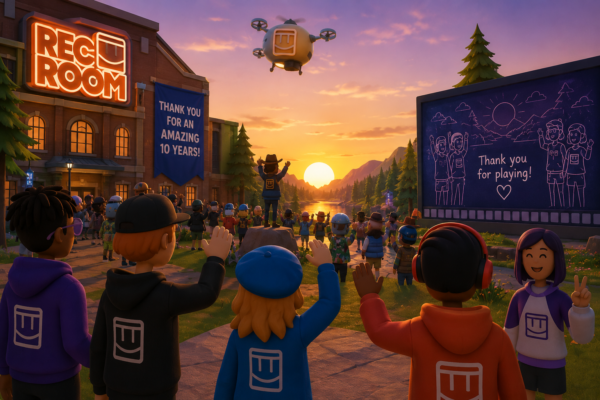
After nearly a decade of connecting players through virtual worlds, games, and friendships, the Rec Room shutdown has officially arrived.
The popular social gaming platform, which attracted more than 150 million users during its lifetime, closed its doors for good at noon Pacific Time. For many longtime players, the moment felt less like the end of a game and more like saying goodbye to a second home.
Built around a virtual campus environment, Rec Room became one of the most recognizable social gaming platforms in the virtual reality space. Players created games, designed custom worlds, attended events, and built friendships that often extended beyond the platform itself.
Now, with the Rec Room shutdown complete, millions of memories are all that remain.
From Startup Success to Industry Giant
Founded in Seattle in 2016 by former Microsoft engineers, Rec Room quickly became one of the biggest success stories in social gaming and virtual reality.
The company raised nearly $300 million from investors and reached a peak valuation of approximately $3.5 billion in 2021. During the height of its popularity, Rec Room attracted players from around the world who used the platform to socialize, collaborate, and create unique experiences.
The platform stood out because it allowed users to build much of the content themselves. Rather than relying entirely on company-created experiences, players designed rooms, games, events, and virtual items that helped shape the community.
That creative freedom became one of Rec Room’s greatest strengths and one of its biggest challenges.
The Financial Struggles Behind the Closure
Despite its popularity, the company struggled to establish a sustainable business model.
A major issue involved the economics of user-generated content. While player-created experiences fueled engagement and growth, they generated significantly less revenue for the company than content produced internally.
After creator payments and app store fees were deducted, Rec Room reportedly kept only a small portion of revenue from user-generated content. That made it increasingly difficult to cover operating costs while continuing to support a growing community.
Ultimately, company leaders concluded that profitability remained out of reach, leading to the decision that resulted in the Rec Room shutdown.
Preserving a Decade of Creativity
Recognizing how much time and effort players invested in the platform, developers worked to ensure the Rec Room shutdown would not erase years of creativity.
A dedicated team created tools allowing users to export their avatars and room data into standard file formats. The goal was to help preserve the countless creations built by players over the years.
For many community members, these digital worlds represented thousands of hours of work and personal expression. Some users built detailed environments, while others created games that attracted large audiences within the platform.
Developers described the effort as an attempt to make the Rec Room shutdown a respectful ending rather than a sudden disappearance.
Players Say Goodbye
In the final days leading up to the Rec Room shutdown, the community found unique ways to celebrate the platform’s legacy.
One popular feature allowed users to receive personalized report cards summarizing their time on the platform. These reports included statistics about friendships formed, rooms visited, and experiences enjoyed throughout the years.
Players shared the reports online and treated them like yearbooks, exchanging messages and memories with friends before the servers went offline.
Social media platforms and community forums filled with farewell posts, screenshots, and stories from players reflecting on their favorite moments.
For many users, the emotional connection to the platform extended far beyond gaming.
A Community Built on Friendship
The impact of the Rec Room shutdown has been especially significant for users who relied on the platform as a primary social outlet.
Many players formed lasting friendships through shared experiences in virtual worlds. Some met future roommates, business partners, or close friends through the platform’s community.
Parents also shared stories about children who found comfort, belonging, and social opportunities through Rec Room. In some cases, the platform provided important connections for individuals who struggled to build friendships elsewhere.
As the shutdown approached, community members encouraged each other to exchange contact information, save photos, and remain connected through other online services.
The response highlighted just how meaningful virtual communities can become in modern life.
The Broader Shift in Virtual Reality
The Rec Room shutdown also reflects larger changes occurring within the virtual reality industry.
Over the past several years, many technology companies have adjusted their strategies regarding virtual worlds and social VR experiences. Some firms have shifted focus toward artificial intelligence, augmented reality, or mobile-based platforms rather than immersive virtual reality environments.
At the same time, competition has intensified among platforms seeking to attract creators and users.
The changing landscape has made it more difficult for some companies to maintain growth while also achieving profitability.
Industry analysts say the Rec Room shutdown serves as a reminder that building a large user base does not always guarantee long-term financial success.
New Homes for Displaced Players
Even as one chapter closes, many players are already exploring new virtual communities.
Among the most frequently mentioned alternatives is VRChat, another social platform that allows users to interact through customizable avatars and user-created worlds.
VRChat has publicly welcomed former Rec Room users and highlighted its own growing creator economy. Other communities and fan projects have also emerged to help preserve aspects of the Rec Room experience.
Some fan-run initiatives are attempting to keep portions of the platform’s legacy alive through unofficial projects and archived content.
While these efforts cannot replace the original platform, they offer players a chance to maintain connections and continue creating.
Looking Back at a Unique Legacy
The Rec Room shutdown marks the end of one of the most influential social gaming platforms of the past decade.
For millions of players, it was a place where creativity flourished, friendships formed, and unforgettable experiences unfolded. The platform demonstrated the power of virtual spaces to bring people together regardless of geography or background.
Although financial realities ultimately brought the journey to an end, the memories created inside Rec Room will continue through the people who experienced them.
As the servers go dark and the virtual campus falls silent, many former players are choosing to focus not on the closure itself, but on the friendships, adventures, and community that made Rec Room special. For them, the Rec Room shutdown may be the end of a platform, but it is not the end of the connections built along the way.